Electric vehicle incentives & rebates in North Carolina
1 state or local incentive for drivers, 6 utilities with residential EV programs — plus EV fees, HOV rules, public charging and the cost to charge in North Carolina. Every program links to its official page and the U.S. Department of Energy AFDC entry.
Updated November 2026 · AFDC data retrieved November 6, 2026
North Carolina EV rebates, tax credits and perks
Electric Vehicle (EV) and Fuel Cell Electric Vehicle (FCEV) Emissions Inspection Exemption
CurrentState IncentivesQualified light-duty EVs and FCEVs are exempt from state emissions inspection requirements. Other restrictions may apply. (Reference North Carolina General Statutes 20-183.2)
AFDC entry · enacted May 26, 2011
North Carolina home and community charging incentives
No current state-level charger incentive for residents is listed for North Carolina; many utilities below offer charger rebates.
North Carolina utility EV programs
6 utilities list residential EV programs; 3 offer an EV or time-of-use rate and 3 charger incentives
| Utility | Type | Residential EV programs | Business / fleet programs | Links |
|---|---|---|---|---|
| Cape Hatteras Electric Cooperative (CHEC) | cooperative | 🔌 EV Level 2 Charging Station Installation Rebate | — | Utility EV page AFDC |
| Dominion Energy | investor-owned utility (IOU) | 🔌 EV Level 2 Charging Station Purchase Rebate 🔌 EV Charger Deployment Pilot Programs | 🔌 EV Level 2 Charging Station Installation Rebate 🔌 EV Charger Deployment Pilot Programs | Utility EV page AFDC |
| Duke Energy | investor-owned utility (IOU) | ⚡ EV Time-of-Use (TOU) Rate 🔌 EV Level 2 Charging Station Purchase Rebate 🔌 EV Direct Current (DC) Fast Charging Station Purchase Rebate 🔌 Make-Ready or Pre-Wiring Rebate for EV Chargers | 🔌 EV Level 2 Charging Station Purchase Rebate 🔌 EV Direct Current (DC) Fast Charging Station Purchase Rebate 🔌 Make-Ready or Pre-Wiring Rebate for EV Chargers 🔌 EV Charger Deployment Pilot Programs 🚗 New EV Rebate | Utility EV page AFDC |
| Pee Dee Electric Member Corp | cooperative | 🚗 New EV Rebate | 🚗 New EV Rebate | Utility EV page AFDC |
| Piedmont Electric Membership Corporation (PEMC) | cooperative | ⚡ EV Time-of-Use (TOU) Rate 🚗 New EV Rebate 🚗 Pre-Owned EV Rebate | — | AFDC |
| Wake Electric Membership Corp | cooperative | ⚡ EV Time-of-Use (TOU) Rate | — | Utility EV page AFDC |
⚡ rates and fuel pricing · 🔌 charging equipment and installation · 🚗 vehicle rebates. AFDC lists program types; amounts, eligibility and waitlists are on the utility's own page — follow the link and confirm the program is open before you buy.
North Carolina EV registration fees, HOV and toll rules
EV fees
Electric Vehicle (EV) Annual Fee
CurrentLaws and RegulationsThe owner of an EV that is exclusively powered by electricity must pay a fee of $214.50 and the owner of a plug-in hybrid electric vehicle must pay a fee of $107.25 in addition to any other required registration fees at the time of initial registration and annual registration renewal. For more information, see the North Carolina Division of Motor Vehicles Title & Registration Fees website. (Reference House Bill 259, 2023 and North Carolina General Statutes 20-87 and 20-4.02)
Official program page: Title & Registration Fees · AFDC entry · amended September 18, 2015 · AFDC updated September 13, 2016
HOV and toll lanes
No current HOV-lane or toll exemption for EVs listed for North Carolina. Ended: High Occupancy Vehicle (HOV) Lane Exemption (2025-09-30).
North Carolina laws that affect EV owners
2 law or regulations (right-to-charge, multifamily charging, parking, inspections and more)
Electric Vehicle (EV) Definition
CurrentLaws and RegulationsA plug-in EV is defined as a vehicle that: - Does not have the ability to be propelled by gasoline - Draws electricity from a battery with a capacity of at least four kilowatt-hours and is capable of being charged from an external source - Has not been modified from the original equipment manufacturer power train specifications - Has a gross vehicle weight rating of 8,500 pounds or less - Has a maximum speed of at least 65 miles per hour, and - Meets applicable requirements in Title 49 of the U.S. Code of Federal Regulations, Section 571. (Reference North Carolina General Statutes 20-4.01)
Official program page: U.S. Code of Federal Regulations · AFDC entry · enacted May 26, 2011
Zero Emission Vehicle (ZEV) Deployment and Emissions Reductions Goals
CurrentLaws and RegulationsNorth Carolina established the following goals to reduce statewide greenhouse (GHG) emissions: - GHG emissions must be at least 50% below 2005 levels by 2030; - Achieve net-zero emissions by 2050; - Register at least 1,250,000 ZEVs by 2030; and, - Increase the share of new passenger vehicle sales to 50% ZEVs by 2030. To meet these goals, the North Carolina Policy Office must conduct a GHG emission analysis by January 8, 2023, that evaluates potential pathways for achieving net-zero GHG emissions across the state by 2050 and interim targets. (Reference Executive Order 246, 2022)
AFDC entry · enacted January 7, 2022 · AFDC updated February 11, 2022
Recently ended North Carolina EV programs
1 program ended in the last 3 years
High Occupancy Vehicle (HOV) Lane Exemption
Ended (expired 2025-09-30)State IncentivesQualified electric vehicles, dedicated natural gas vehicles, and fuel cell electric vehicles may use North Carolina HOV lanes, regardless of the number of occupants. This exemption expires September 30, 2025. (Reference North Carolina General Statutes 20-4.01 and 20-146.2)
Official program page: North Carolina General Statutes · AFDC entry · enacted May 26, 2011
North Carolina programs for businesses, fleets and public agencies
5 programs
Alternative Fuel and Alternative Fuel Vehicle (AFV) Fund
CurrentState IncentivesThe North Carolina State Energy Office administers the Energy Policy Act (EPAct) Credit Banking and Selling Program, which enables the state to generate funds from the sale of EPAct 1992 credits. The funds that EPAct credit sales generate are deposited into the Alternative Fuel Revolving Fund (Fund) for state agencies to offset the incremental costs of purchasing biodiesel blends of at least 20% (B20) or ethanol blends of at least 85% (E85), developing alternative fueling infrastructure, and purchasing AFVs and hybrid electric vehicles.
Official program page: annual report · AFDC entry · amended June 30, 2009
Alternative Fuel Tax Exemption
CurrentState IncentivesThe retail sale, use, storage, and consumption of alternative fuels is exempt from the state retail sales and use tax. (Reference North Carolina General Statutes 105-164.13 and 105-449.130)
AFDC entry · enacted January 1, 2006
Electric Vehicle (EV) Charging Station Grant Program
CurrentState IncentivesThe North Carolina Department of Environmental Quality's (DEQ) Level 2 Infrastructure Grant Program and Zero Emission Vehicle Direct Current Fast Charge (DCFC) Infrastructure Program and Level 2 Infrastructure Program provides funding for the purchase and installation of public and private Level 2 EV charging stations and public DCFC stations. This program is funded by North Carolina's portion of the Volkswagen Environmental Mitigation Trust. For more information, including funding amounts and availability, see the DEQ Volkswagen Settlement website.
Official program page: Volkswagen Environmental Mitigation Trust · AFDC entry · AFDC updated July 18, 2019
Heavy-Duty Vehicle Emissions Reduction Funding
CurrentState IncentivesThe North Carolina Department of Environmental Quality's (DEQ) Diesel Bus and Vehicle Programs provide funding for heavy-duty on-road new diesel or alternative fuel vehicles or engine repowers and replacements, as well as off-road repowers and replacements. Both government and non-government entities that own and operate diesel fleets and equipment are eligible for funding. Vehicles and equipment that qualify for replacement or repower include: - Class 4-8 school buses, shuttle buses, and transit buses; - Class 4-8 local freight trucks, ferries, forklifts, and freight switchers; and - Class 8 local freight trucks and port drayage trucks.
Official program page: Diesel Bus and Vehicle Programs · AFDC entry · AFDC updated October 12, 2020
North Carolina's National Electric Vehicle Infrastructure (NEVI) Planning
CurrentState IncentivesThe U.S. Department of Transportation's (DOT) NEVI Formula Program required the North Carolina Department of Transportation (NCDOT) to submit an annually updated EV Infrastructure Deployment Plan (Plan) for fiscal years 2022 through 2026 to their FHWA Division Office, describing how the state intended to distribute NEVI funds and their physical and cybersecurity strategies, and including a Community Engagement Outcomes Report. The submitted plans must address updated NEVI Guidance. For more information about North Carolina's NEVI planning process, see the NCDOT NEVI website.
Official program page: NEVI Guidance · AFDC entry · AFDC updated September 27, 2022
Public EV charging stations in North Carolina
1,922 stations · 4,002 Level 2 ports · 1,931 DC fast ports
| City | Stations | DC fast ports |
|---|---|---|
| Charlotte | 283 | 191 |
| Raleigh | 204 | 91 |
| Durham | 108 | 48 |
| Cary | 96 | 71 |
| Asheville | 62 | 85 |
| Morrisville | 50 | 16 |
| Greensboro | 49 | 70 |
| Wilmington | 38 | 45 |
| Concord | 36 | 57 |
| Chapel Hill | 36 | 12 |
| Greenville | 29 | 15 |
| Gastonia | 24 | 21 |
| Winston-Salem | 22 | 41 |
| Apex | 22 | 14 |
| Fayetteville | 21 | 32 |
| Boone | 20 | 21 |
| New Bern | 17 | 33 |
| Huntersville | 17 | 6 |
| Mooresville | 16 | 18 |
| Wilson | 16 | 32 |
| Network | Stations |
|---|---|
| ChargePoint | 1,028 |
| Blink | 177 |
| Non-networked | 166 |
| Tesla Destination | 115 |
| Tesla Supercharger | 93 |
| EV Connect | 68 |
| Loop | 43 |
| Electrify America | 23 |
| EVgo | 21 |
| ChargeUp | 18 |
| Ford Charge | 18 |
| EnviroSpark | 16 |
Connectors: J1772 at 1,501 stations, CCS at 269, NACS/Tesla at 246, CHAdeMO at 139.
Cost to charge an EV at home in North Carolina
About $5.53 per 100 miles at 14.94¢/kWh
Defaults: 12,000 miles a year and 30 MPG are examples — enter your own. Energy only (no maintenance, insurance or depreciation). Efficiency is the EPA combined kWh/100 mi rating (window sticker); real-world use varies with speed, weather and charging.
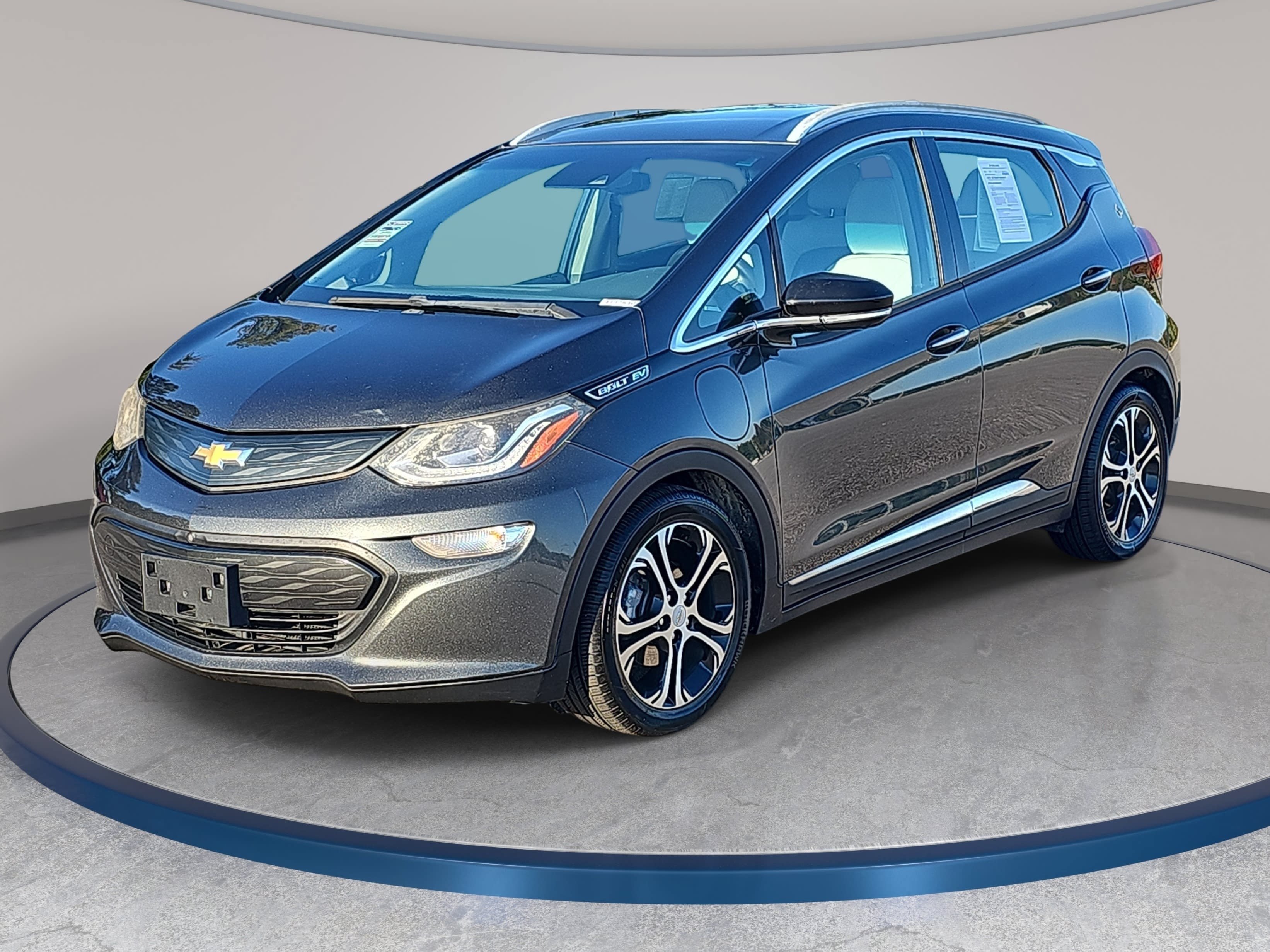
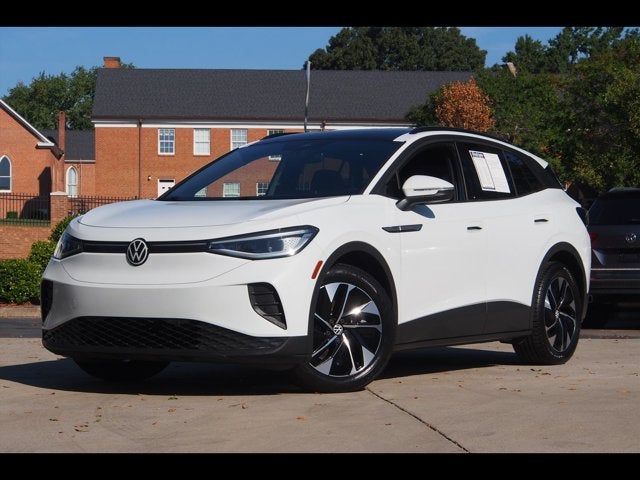
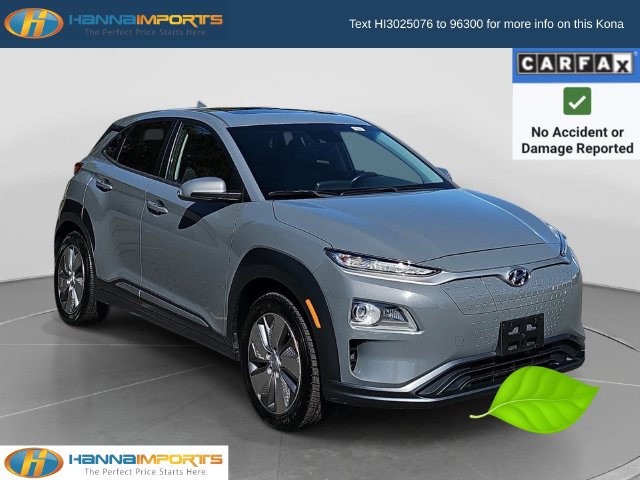
Electric cars for sale in North Carolina
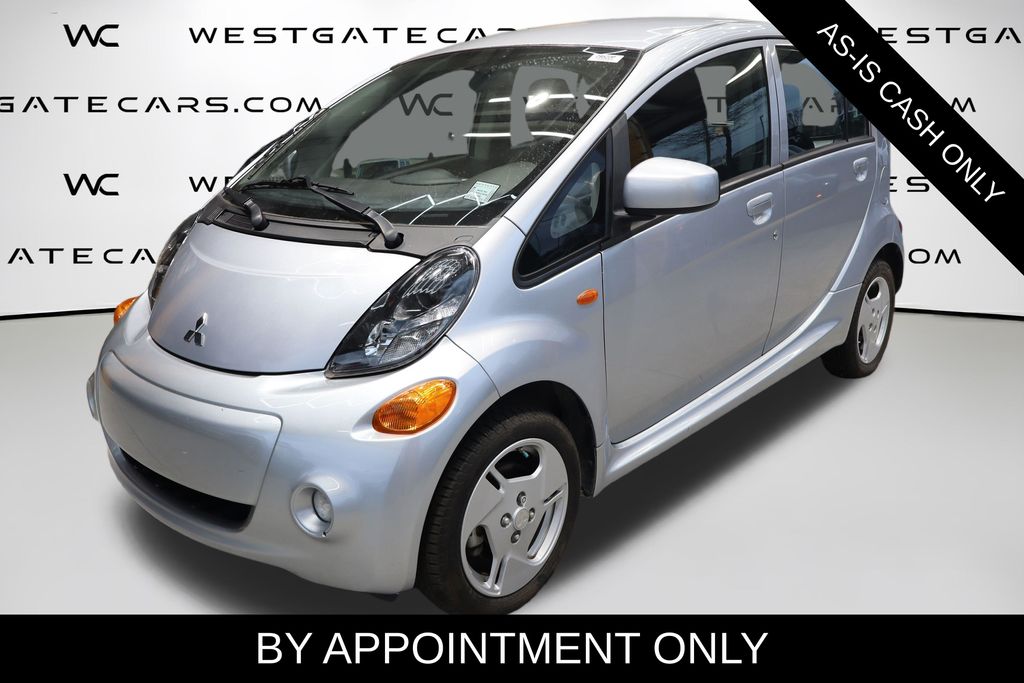
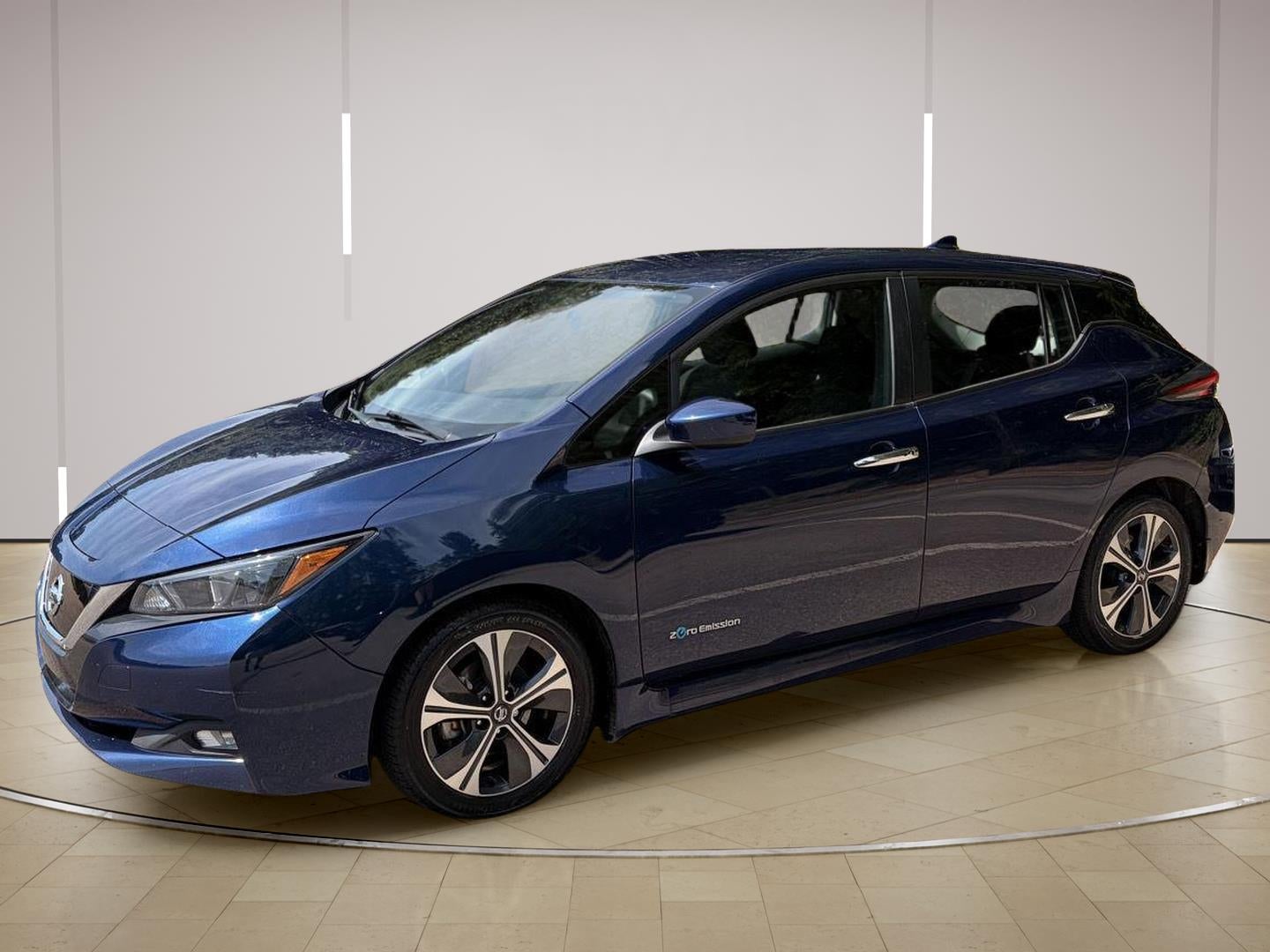
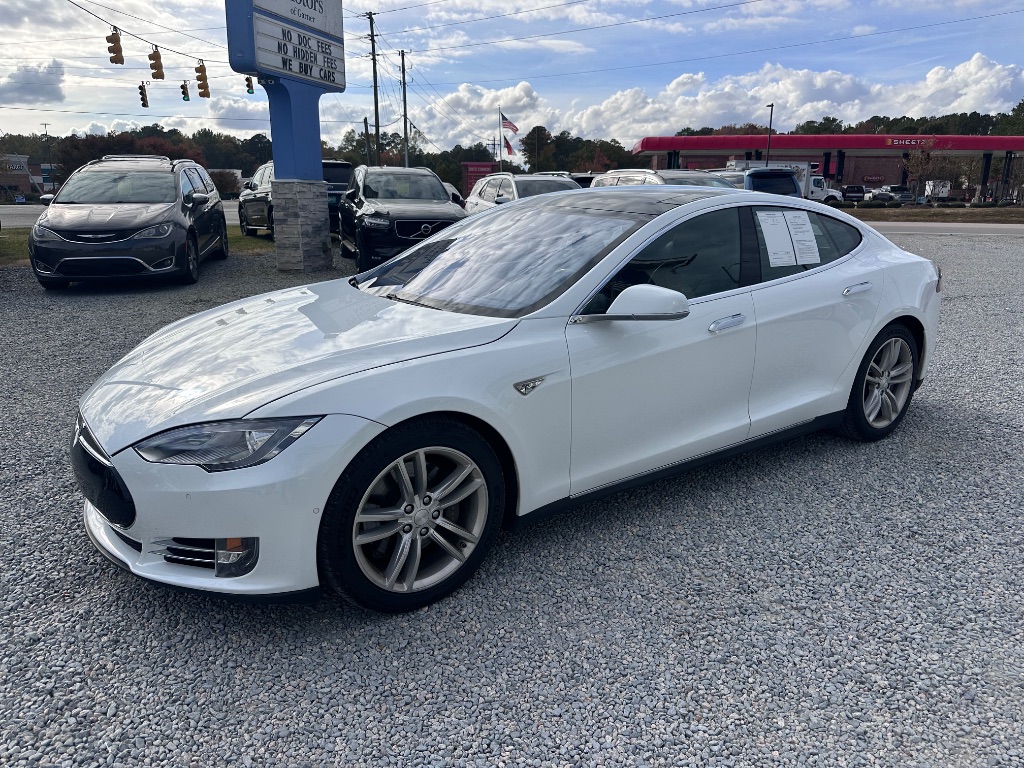
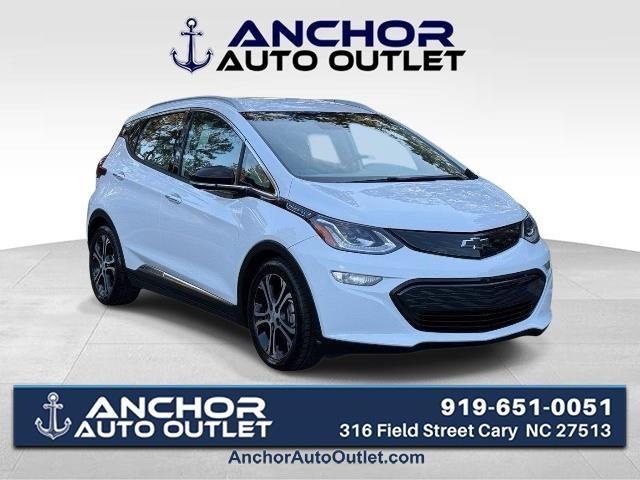
505 EVs and 158 plug-in hybrids · 2.6% of North Carolina listings · median EV asking $31,998




Frequently asked questions
- Are there EV rebates or tax credits in North Carolina?
- Yes. The U.S. Department of Energy lists 1 state or local incentive for drivers, 6 utilities with residential EV programs in North Carolina (as of November 6, 2026): Electric Vehicle (EV) and Fuel Cell Electric Vehicle (FCEV) Emissions Inspection Exemption. Funding and eligibility change, so check each official program page.
- Is there still a federal EV tax credit in North Carolina?
- No. The federal new and used clean vehicle credits are not available for vehicles acquired after September 30, 2025 (IRS), and the home charger credit (30C) ended for equipment placed in service after June 30, 2026.
- Does North Carolina charge an EV registration fee?
- Yes — Electric Vehicle (EV) Annual Fee: The owner of an EV that is exclusively powered by electricity must pay a fee of $214.50 and the owner of a plug-in hybrid electric vehicle must pay a fee of $107.25 in addition to any other required registration fees at (AFDC, as of November 6, 2026).
- Can EVs use HOV lanes in North Carolina?
- AFDC lists no current HOV-lane exemption for EVs in North Carolina; a previous program (High Occupancy Vehicle (HOV) Lane Exemption) is no longer active.
- How many public EV charging stations are in North Carolina?
- 1,922 open public charging stations with 4,002 Level 2 and 1,931 DC fast charging ports, per the U.S. Department of Energy station locator (November 6, 2026).
- How much does it cost to charge an EV at home in North Carolina?
- At North Carolina's average residential electricity price of 14.94¢ per kWh (EIA, Year-to-Date through August 2026), about $5.53 per 100 miles for an EV using 37 kWh/100 mi. Regular gasoline averaged $3.69/gal (Lower Atlantic (PADD 1C), EIA week of November 2, 2026).
- How many electric cars are for sale in North Carolina on AutosXchange?
- 505 EVs and 158 plug-in hybrids from North Carolina dealers, 2.6% of listings in the state; median EV asking price $31,998.
AutosXchange market data is calculated from the asking prices of current dealer listings on AutosXchange, refreshed as dealers update their inventory. These are not sold or transaction prices and not appraisals. Listings with an asking price under $500 (placeholder prices) are excluded. Confirm price, fees and availability with the selling dealer.