Electric vehicle incentives & rebates in Washington
3 state or local incentives for drivers, 2 charging incentives, 10 utilities with residential EV programs — plus EV fees, HOV rules, public charging and the cost to charge in Washington. Every program links to its official page and the U.S. Department of Energy AFDC entry.
Updated November 2026 · AFDC data retrieved November 6, 2026
Washington EV rebates, tax credits and perks
Alternative Fuel Vehicle (AFV) Emissions Inspection Exemption
CurrentState IncentivesAFVs powered exclusively by electricity, natural gas, liquefied petroleum gas, and propane are exempt from state emissions control inspections. Plug-in hybrid electric vehicles that obtain a U.S. Environmental Protection Agency fuel economy rating of at least 50 miles per gallon during city driving are also exempt from these inspections. (Reference Revised Code of Washington 46.16A.060)
Alternative Fuel Vehicle (AFV) Retail Sales and Use Tax Exemption
CurrentState IncentivesThe sale or lease of new or used passenger vehicles, light-duty trucks, and medium-duty passenger AFVs is exempt from the state retail sales and use tax. Eligible AFVs include those powered by natural gas, propane, hydrogen, or electricity. To be eligible, new vehicles may not be valued above $45,000 and used vehicles may not be valued above $30,000. The tax exemption may apply to all or a portion of the vehicle's value. The maximum eligible amount for used purchased or leased vehicles is $16,000. The exemption for sales of used and new vehicles expired on July 31, 2025.
Official program page: Tax Incentives Programs · AFDC entry · enacted May 7, 2019 · AFDC updated June 7, 2019
Low-Income Electric Vehicle (EV) Rebates
CurrentState IncentivesThe Washington EV Instant Rebate Program offers rebates to residents for the purchase or lease of a qualified new or pre-owned EV. New EVs are eligible for a rebate of up to $9,000, and pre-owned EVs are eligible for a rebate of up to $2,500. Applicants may receive one rebate, and no more than three rebates are allowed per residential address. Only applicants who have a household income at or below 300% of the current federal poverty level or who are enrolled in an eligible income qualified program are eligible for the rebate.
Official program page: income qualified program · AFDC entry · enacted October 1, 2024 · AFDC updated November 6, 2024
Washington home and community charging incentives
Community Electric Vehicle (EV) Charger Grants
CurrentState IncentivesThe Washington State Department of Commerce offers grants for the purchase and installation of Level 2 and direct current fast (DC Fast) chargers for use at public, workplace, tribal, and multi-unit dwelling (MUD) locations. Eligible applicants include multifamily housing locations, retail electric utilities, non-profits, government entities, and tribal governments. Low-income applicants will be given funding priority. Additional terms and conditions apply. Funding is not currently available for this program (verified June 2025).
Official program page: Washington State EV Charging Program · AFDC entry · AFDC updated October 18, 2023
Electric Vehicle (EV) Charger Grants
CurrentState IncentivesThe Washington State Department of Ecology offers grants for the purchase and installation of Level 2 EV chargers for use at public, fleet, workplace, and multifamily housing locations. The maximum grant award is $10,000 per plug, up to 10 plugs. Eligible applicants include multifamily housing, nonprofit organizations, state and local government entities, businesses, and tribal governments. Applicants located in environmental justice communities will be given funding priority. Additional terms and conditions apply. This program is funded by Washington's portion of the Volkswagen (VW) Environmental Mitigation Trust.
Official program page: Volkswagen (VW) Environmental Mitigation Trust · AFDC entry · AFDC updated October 27, 2023
Washington utility EV programs
10 utilities list residential EV programs; 1 offer an EV or time-of-use rate and 8 charger incentives
| Utility | Type | Residential EV programs | Business / fleet programs | Links |
|---|---|---|---|---|
| Avista | investor-owned utility (IOU) | 🔌 EV Level 2 Charging Station Installation Rebate | 🔌 Make-Ready or Pre-Wiring Rebate for EV Chargers 🚗 Off-Road EV Equipment Rebates | Utility EV page AFDC |
| City of Seattle | municipal utility | 🔌 EV Level 2 Charging Station Purchase Rebate | 🔌 EV Level 2 Charging Station Purchase Rebate 🔌 EV Direct Current (DC) Fast Charging Station Purchase Rebate 🔌 Make-Ready or Pre-Wiring Rebate for EV Chargers 🚗 Fleet Electrification Assessment 🚗 Off-Road EV Equipment Rebates | Utility EV page AFDC |
| Clark Public Utilities (CPU) | municipal utility | 🔌 EV Level 2 Charging Station Purchase Rebate 🔌 EV Level 2 Charging Station Installation Rebate 🚗 Pre-Owned EV Rebate | 🔌 EV Level 2 Charging Station Purchase Rebate 🔌 EV Level 2 Charging Station Installation Rebate | Utility EV page AFDC |
| Pacific Power | investor-owned utility (IOU) | ⚡ EV Time-of-Use (TOU) Rate | ⚡ EV Time-of-Use (TOU) Rate | Utility EV page AFDC |
| Pacific Propane Gas Association (PPGA) | — | 🚗 New Propane Vehicle Rebate 🚗 Propane Vehicle Conversion Rebate | — | Utility EV page AFDC |
| PUD Number 1 of Snohomish County | municipal utility | 🔌 EV Level 2 Charging Station Purchase Rebate | — | Utility EV page AFDC |
| Seattle City Light | municipal utility | 🔌 EV Level 2 Charging Station Purchase Rebate | 🔌 EV Level 2 Charging Station Purchase Rebate 🔌 EV Direct Current (DC) Fast Charging Station Purchase Rebate 🔌 EV Level 2 Charging Station Installation Rebate 🔌 EV Direct Current (DC) Fast Charging Station Installation Rebate 🔌 Make-Ready or Pre-Wiring Rebate for EV Chargers 🚗 Fleet Electrification Assessment | Utility EV page AFDC |
| Snohomish Public Utility District | municipal utility | 🔌 EV Level 2 Charging Station Purchase Rebate 🔌 EV Level 2 Charging Station Installation Rebate | — | Utility EV page AFDC |
| Tacoma Public Utility (TPU) | municipal utility | 🔌 EV Level 2 Charging Station Installation Rebate | 🔌 EV Level 2 Charging Station Installation Rebate 🔌 Make-Ready or Pre-Wiring Rebate for EV Chargers | Utility EV page AFDC |
| Tanner Electric Cooperative | cooperative | 🔌 EV Level 2 Charging Station Purchase Rebate | — | Utility EV page AFDC |
⚡ rates and fuel pricing · 🔌 charging equipment and installation · 🚗 vehicle rebates. AFDC lists program types; amounts, eligibility and waitlists are on the utility's own page — follow the link and confirm the program is open before you buy.
Washington EV registration fees, HOV and toll rules
EV fees
Electric Vehicle (EV) Fee
CurrentLaws and RegulationsOwners of all-electric and plug-in hybrid electric vehicles, except motorcycles, with an all-electric range of at least 30 miles must pay an annual registration fee of $150 and a $75 transportation electrification fee in addition to standard vehicle fees. The transportation electrification fee contributes to state programs supporting the adoption of EVs and deployment of EV charging infrastructure. Hybrid electric vehicles with an all-electric range of less than 30 miles and electric motorcycles are subject to an annual fee of $75 and $30, respectively, in addition to standard fees. (Reference Revised Code of Washington 46.17.323-324)
AFDC entry · amended March 24, 2022 · AFDC updated January 20, 2023
HOV and toll lanes
No current HOV-lane or toll exemption for EVs listed for Washington.
Washington laws that affect EV owners
8 law or regulations (right-to-charge, multifamily charging, parking, inspections and more)
Electric Transportation Transition Study
CurrentLaws and RegulationsThe Joint Transportation Committee (Committee) must study opportunities for high-consumption fuel users (users) to adopt electric vehicles (EVs) and make recommendations to the Committees and governor by July 1, 2023. The Committee must investigate and determine the following: - Number of users that could utilize EVs for a high percentage of their driving needs; - Fuel savings and gallons of fuel displaced if users switch to EVs; - User attitudes and perceptions of EVs; and, - Policies and messages that encourage EV adoption. The Committee published the report on June 20, 2023. (Reference Senate Bill 5689, 2022)
Official program page: report · AFDC entry · enacted March 25, 2022 · AFDC updated April 11, 2022
Electric Vehicle (EV) Charger Community Grant Program Authorization
CurrentLaws and RegulationsThe Washington State Department of Transportation (WSDOT) is authorized to establish a grant program for local governments, federally recognized tribal governments, or utilities to deploy EV chargers in rural areas, office buildings, multi-unit dwellings, ports, schools and school districts, and state and local government offices. Preference will be given to direct current fast charging (DCFC) projects. (Reference Senate Bill 5493, 2022)
AFDC entry · enacted March 31, 2022 · AFDC updated April 11, 2022
Electric Vehicle (EV) Charger Policies for Homeowners’ and Unit Owners’ Associations
CurrentLaws and RegulationsA unit owners' association, including single-family homes, apartments, and condominiums as well as planned use developments, may not prohibit or restrict the installation or use of an EV charger in a personal, noncommercial parking space. Associations may put reasonable restrictions on EV chargers located on property owned by associations or in common spaces or connected to a common power supply. The EV charger owner is responsible for the cost of installation and maintenance.
AFDC entry · enacted April 22, 2025
Electric Vehicle (EV) Charging Signage and Parking Regulations
CurrentLaws and RegulationsA public EV charger is defined as a public parking space that is served by charging equipment. Public EV chargers must have vertical signage that identifies the station and indicates that it is only for EV charging. The signage must be consistent with the U.S. Department of Transportation Federal Highway Administration's Manual on Uniform Traffic Control Devices. All public EV chargers must also display all charges and fees associated with operation. Any person who parks a vehicle in a public EV charging station parking space and does not connect to the equipment is subject to a fine of $124.
Official program page: Manual on Uniform Traffic Control Devices · AFDC entry · amended May 1, 2024 · AFDC updated June 14, 2021
Electric Vehicle (EV) Deployment Goal
CurrentLaws and RegulationsAll light-duty vehicles sold, purchased, or registered in Washington State must be EVs for model year 2030 and later. The Interagency EV Coordinating Council published a plan for achieving this goal on February 6, 2024. For more information, see the Washington State Department of Commerce Transportation Electrification Strategy website. (Reference Revised Code of Washington 43.392.020)
Official program page: a plan · AFDC entry · enacted March 25, 2022 · AFDC updated April 11, 2022
Electric Vehicle (EV) Road User Assessment System Pilot
CurrentLaws and RegulationsThe Washington Transportation Commission (Commission) studied the feasibility of transitioning from a fuel tax to a road user assessment system in the state. In 2012, the Commission conducted a limited scope pilot project to test the feasibility of this new system as it applies to EVs and published outcomes in a report. The Commission began a year-long pilot project in fall 2017. On January 13, 2020, the Commission submitted a final report of findings and recommendations to the governor, state legislature, and the U.S. Department of Transportation.
Official program page: report · AFDC entry · amended March 25, 2016 · AFDC updated April 11, 2022
State Electric Vehicle (EV) Charging Infrastructure Availability
CurrentLaws and RegulationsPublicly and privately owned EVs may charge at state office locations if the vehicles are used for state business, conducting business with the state, or as commuter vehicles. Additionally, contingent upon funding, the state must install electrical outlets suitable for charging EVs in each of the state's fleet parking and maintenance facilities as well as every state-operated highway rest stop.
Official program page: 2023 – 2025 Annual Electric Vehicle Supply Equipment Installation Report · AFDC entry · amended May 1, 2015 · AFDC updated June 12, 2015
Support for Electric Vehicle (EV) and Infrastructure Deployment
CurrentLaws and RegulationsThe Washington State Department of Commerce and the Washington State Department of Transportation must establish an interagency EV coordinating council (Council) to advance transportation electrification. The Council must: - Develop a state-wide transportation electrification strategy; - Identify electric vehicle infrastructure grant-related funding; - Coordinate grant funding criteria across agency grant programs; - Develop a robust public and private outreach plan that includes engaging with community organizers and local governments; - Create an industry EV advisory committee; - Ensure the new strategies and programs benefit vulnerable…
AFDC entry · amended May 20, 2025 · AFDC updated March 24, 2026
Recently ended Washington EV programs
1 program ended in the last 3 years
Electric Vehicle (EV) and Fuel Cell Electric Vehicle (FCEV) Infrastructure and Battery Tax Credit
Ended (expired 2025-07-01)State IncentivesPublic lands used for installing, maintaining, and operating EV chargers are exempt from leasehold excise taxes. Additionally, the state sales and use taxes do not apply to EV and FCEV batteries or fuel cells; labor and services for installing, repairing, altering, or improving EV and FCEV batteries fuel cells, or EV and FCEV infrastructure; the sale of property used for EV and hydrogen fueling infrastructure; and the sale of zero emission buses. (Reference Revised Code of Washington 82.29A.125, 82.08.816, and 82.12.816)
AFDC entry · amended May 7, 2019 · AFDC updated June 7, 2019
Washington programs for businesses, fleets and public agencies
10 programs
Alternative Fueling Infrastructure Grant Program
CurrentState IncentivesThe Washington State Department of Transportation (WSDOT) offers competitive grants to deploy Level 2 and direct current fast charging electric vehicle (EV) chargers and hydrogen fueling infrastructure along highway corridors in Washington. Priority corridors for these grants include state highways for EV charging and interstates, U.S. highways, and state routes for hydrogen stations. Eligible project costs include siting, equipment purchases, electrical upgrades, installation, operations, and maintenance.
Official program page: Zero Emission (zero tailpipe emission vehicles) Vehicle (ZEV) Grants · AFDC entry · amended May 7, 2019 · AFDC updated June 7, 2019
Commercial Alternative Fuel Vehicle (AFV) and Fueling Infrastructure Tax Credit
CurrentState IncentivesBusinesses are eligible to receive tax credits for purchasing new or used medium- and heavy-duty AFVs and medium- and heavy-duty vehicles converted to alternative fuels, and installing alternative fueling infrastructure. Eligible alternative fuels are natural gas, propane, hydrogen, dimethyl ether, and electricity. Tax credits for qualified alternative fueling infrastructure are for up to 50% of the cost to purchase and install the infrastructure.
Official program page: Incentives Programs · AFDC entry · amended May 7, 2019 · AFDC updated April 11, 2022
Diesel Emission Reduction Grants
CurrentState IncentivesThe Washington State Department of Ecology offers grants for the replacement or repower of medium- and heavy-duty diesel refuse trucks, street sweepers, freight switcher locomotives, port cargo handling equipment, and forklifts with zero emission vehicles (ZEVs) and associated infrastructure.
Official program page: Volkswagen (VW) Environmental Mitigation Trust · AFDC entry · AFDC updated October 27, 2023
Electric Vehicle Charger Reliability Grants
CurrentState IncentivesThe Washington State Department of Transportation (WSDOT) administers Electric Vehicle Charger Reliability and Accessibility Accelerator (EVCRAA) grant funding from the U.S. DOT Federal Highway Administration for the repair and replacement of existing, non-operational publicly accessible Level 2 and direct current (DC) fast chargers. Funding is available for up to 80% of eligible project costs. For more information, including awarded projects, see the WSDOT EVCRAA Grant website.
Official program page: WSDOT EVCRAA Grant · AFDC entry · enacted December 21, 2024
Public Transportation Grant Funding
CurrentState IncentivesThe Washington State Department of Transportation (WSDOT) administers grants for public transportation projects, including alternative fuel vehicle acquisitions and associated charging or fueling infrastructure. Relevant programs may include Green Transportation Capital, Public Transit Rideshare, Regional Mobility, State Buses and Bus Facilities, and Tribal Transit Mobility. For more information, including funding availability and program dates, see the WSDOT Public Transportation Grant Programs and Awards website. (Reference Revised Code of Washington 46.66.500, 46.66.807, 47.66.030, and 47.66.120)
Official program page: Public Transportation Grant Programs and Awards · AFDC entry · amended May 20, 2025 · AFDC updated March 24, 2026
School Bus Transition Grants
CurrentState IncentivesThe Washington State Department of Ecology offers grants within the Clean Diesel program to transition school bus fleets away from fossil fuels. The primary recipients are owners of school buses that transport K-12 students to public, tribal, and charter schools for the replacement of diesel school buses with zero emission school buses, including associated charging and fueling infrastructure. Grant awards may be up to 100% of the incremental cost of a zero emission school bus and up to $50,000 per bus for the cost of charging or fueling infrastructure. Applicants may receive grants for up to 10 buses per funding round.
Official program page: Clean Diesel Grants · AFDC entry · enacted June 6, 2024 · AFDC updated March 24, 2026
Utility Electrification Plans and Return on Investment Authorization
CurrentState IncentivesUtilities are authorized to submit transportation electrification plans that deploy electric vehicle (EV) chargers or programs and incentives that support transportation electrification. Additionally, utilities may petition the Washington Utilities and Transportation Commission (UTC) for a rate of return on EV chargers installed for the benefit of ratepayers through December 31, 2030.
Official program page: report · AFDC entry · amended April 30, 2019 · AFDC updated May 10, 2019
Washington's National Electric Vehicle Infrastructure (NEVI) Planning
CurrentState IncentivesThe U.S. Department of Transportation's (DOT) NEVI Formula Program required the Washington Department of Transportation (WSDOT) to submit an annually updated EV Infrastructure Deployment Plan (Plan) for fiscal years 2022 through 2026 to their FHWA Division Office, describing how the state intended to distribute NEVI funds and their physical and cybersecurity strategies, and including a Community Engagement Outcomes Report. The submitted plans must address updated NEVI guidance. For more information about Washington's NEVI planning process, see the WSDOT Plan website.
Official program page: NEVI guidance · AFDC entry · AFDC updated September 14, 2022
Zero Emission Vehicle (ZEV) Carshare and Infrastructure Grant
CurrentState IncentivesThe Zero-emissions (zero tailpipe emission) Access Program (ZAP), administered by the Washington State Department of Transportation (WSDOT), offers grants to nonprofit organizations and local governments to design and create a ZEV (zero tailpipe emission) carshare program in underserved and low-to moderate-income communities. Grant awards may range from $50,000 to $200,000. Eligible projects include: - Contract, lease, or purchase of ZEVs; - Construction or installation of correlated chargers or fueling infrastructure; and, - Operational costs to develop, implement, and manage a car share program.
Official program page: ZEV Grants · AFDC entry · enacted January 1, 2022 · AFDC updated April 11, 2022
Zero Emissions Vehicle (ZEV) Sales Tax Exemption for Transit
CurrentState IncentivesA sales and use tax exemption is established for zero emission buses purchased by transit agencies or federally recognized tribes for public transportation. The exemptions expire once $14 million in cumulative benefits are reached. For this tax exemption, zero emission bus means a bus that emits no exhaust gas from the onboard source of power, other than water vapor. (Reference Senate Bill 5801, 2025 and Revised Code of Washington 82.38.030 and 82.38.075)
AFDC entry · enacted July 27, 2025
Public EV charging stations in Washington
3,247 stations · 6,791 Level 2 ports · 2,471 DC fast ports
| City | Stations | DC fast ports |
|---|---|---|
| Seattle | 643 | 143 |
| Bellevue | 394 | 30 |
| Spokane | 139 | 71 |
| Bellingham | 128 | 43 |
| Vancouver | 112 | 111 |
| Tacoma | 104 | 88 |
| Redmond | 103 | 31 |
| Woodinville | 56 | 24 |
| Kirkland | 55 | 25 |
| Lacey | 49 | 48 |
| Renton | 40 | 47 |
| Kennewick | 40 | 20 |
| Yakima | 39 | 44 |
| Everett | 37 | 61 |
| Issaquah | 36 | 41 |
| Olympia | 35 | 17 |
| Marysville | 34 | 38 |
| Pullman | 33 | 12 |
| Puyallup | 32 | 30 |
| Bothell | 31 | 41 |
| Network | Stations |
|---|---|
| ChargePoint | 2,007 |
| Blink | 302 |
| FLO | 161 |
| Non-networked | 155 |
| Tesla Destination | 103 |
| Tesla Supercharger | 96 |
| EV Connect | 93 |
| Electrify America | 55 |
| OpConnect | 38 |
| EVCS | 31 |
| EVgo | 22 |
| Red E | 22 |
Connectors: J1772 at 2,722 stations, CCS at 450, NACS/Tesla at 315, CHAdeMO at 215.
Cost to charge an EV at home in Washington
About $5.34 per 100 miles at 14.42¢/kWh
Defaults: 12,000 miles a year and 30 MPG are examples — enter your own. Energy only (no maintenance, insurance or depreciation). Efficiency is the EPA combined kWh/100 mi rating (window sticker); real-world use varies with speed, weather and charging.
Electric cars for sale in Washington
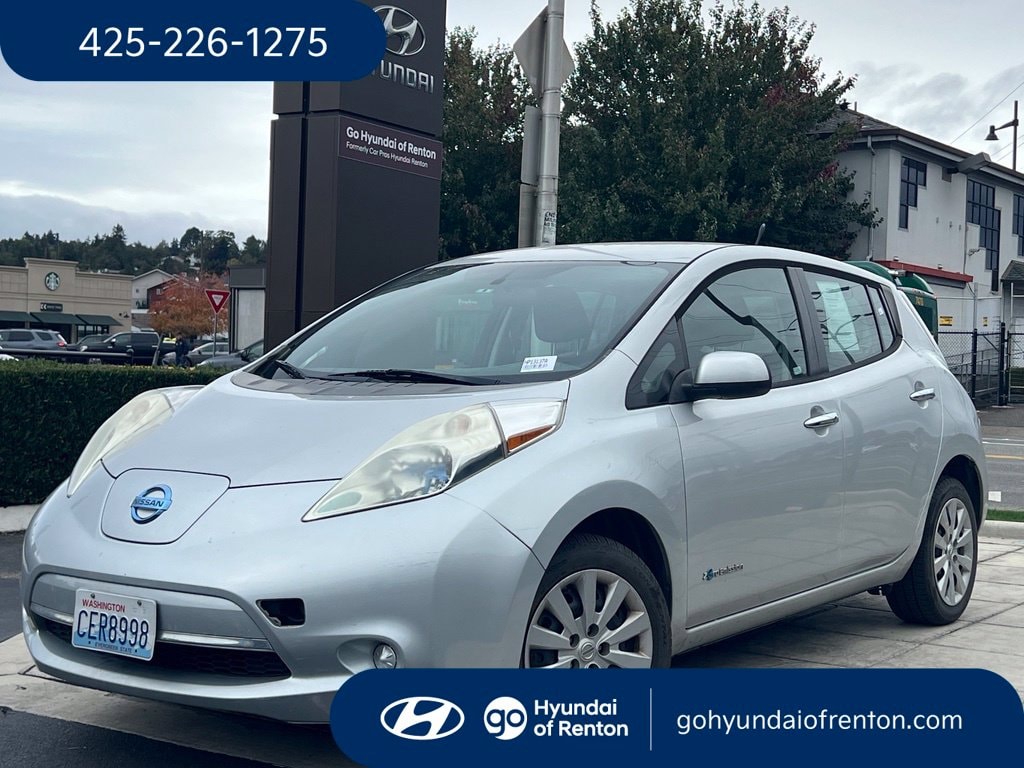
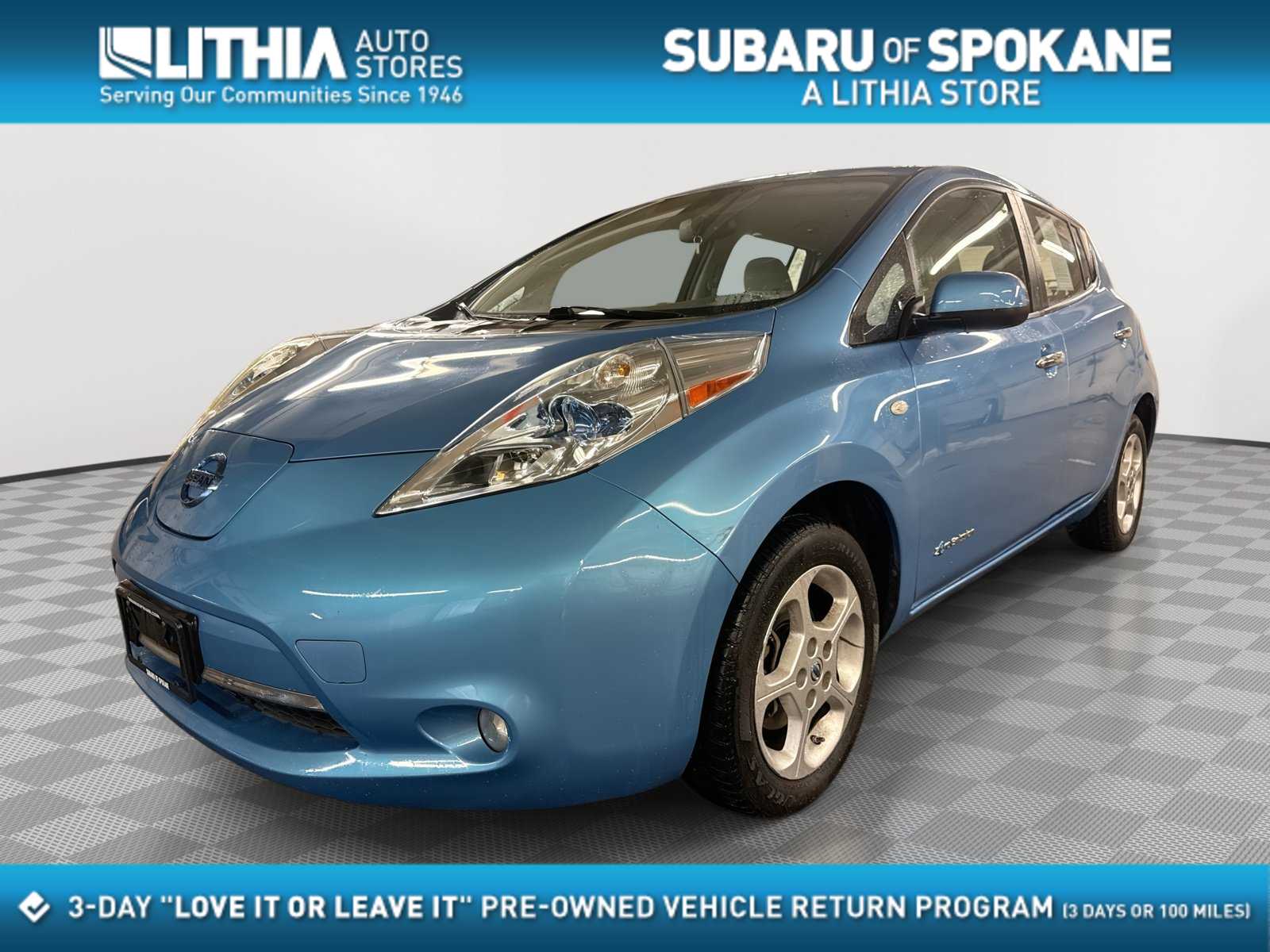
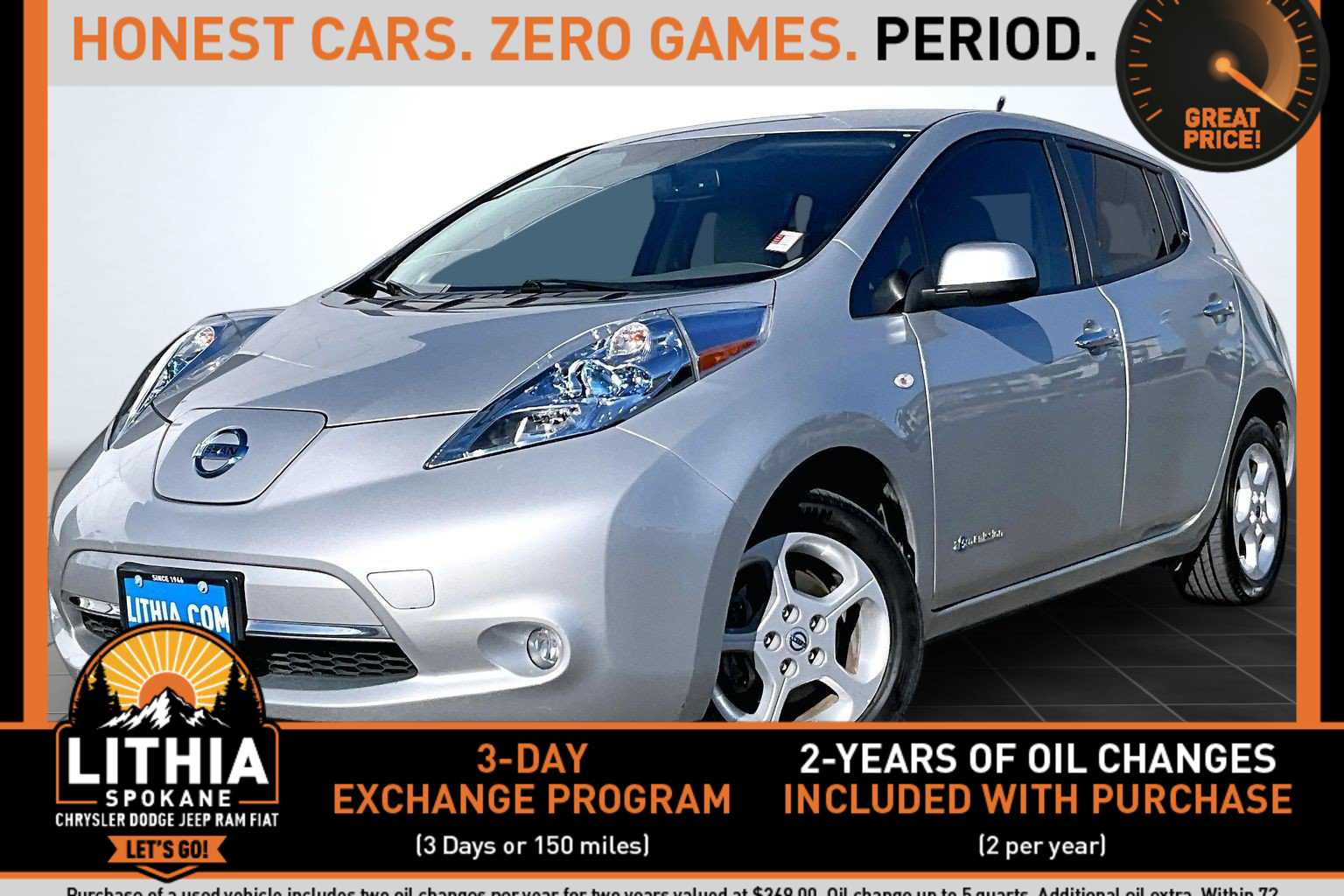
717 EVs and 159 plug-in hybrids · 6.3% of Washington listings · median EV asking $36,283



Frequently asked questions
- Are there EV rebates or tax credits in Washington?
- Yes. The U.S. Department of Energy lists 3 state or local incentives for drivers, 2 charging incentives, 10 utilities with residential EV programs in Washington (as of November 6, 2026): Alternative Fuel Vehicle (AFV) Emissions Inspection Exemption; Alternative Fuel Vehicle (AFV) Retail Sales and Use Tax Exemption; Low-Income Electric Vehicle (EV) Rebates; Community Electric Vehicle (EV) Charger Grants; Electric Vehicle (EV) Charger Grants. Funding and eligibility change, so check each official program page.
- Is there still a federal EV tax credit in Washington?
- No. The federal new and used clean vehicle credits are not available for vehicles acquired after September 30, 2025 (IRS), and the home charger credit (30C) ended for equipment placed in service after June 30, 2026.
- Does Washington charge an EV registration fee?
- Yes — Electric Vehicle (EV) Fee: Owners of all-electric and plug-in hybrid electric vehicles, except motorcycles, with an all-electric range of at least 30 miles must pay an annual registration fee of $150 and a $75 transportation electrification fee in (AFDC, as of November 6, 2026).
- Can EVs use HOV lanes in Washington?
- AFDC lists no current HOV-lane exemption for EVs in Washington.
- How many public EV charging stations are in Washington?
- 3,247 open public charging stations with 6,791 Level 2 and 2,471 DC fast charging ports, per the U.S. Department of Energy station locator (November 6, 2026).
- How much does it cost to charge an EV at home in Washington?
- At Washington's average residential electricity price of 14.42¢ per kWh (EIA, Year-to-Date through August 2026), about $5.34 per 100 miles for an EV using 37 kWh/100 mi. Regular gasoline averaged $5.09/gal (Washington, EIA week of November 2, 2026).
- How many electric cars are for sale in Washington on AutosXchange?
- 717 EVs and 159 plug-in hybrids from Washington dealers, 6.3% of listings in the state; median EV asking price $36,283.
AutosXchange market data is calculated from the asking prices of current dealer listings on AutosXchange, refreshed as dealers update their inventory. These are not sold or transaction prices and not appraisals. Listings with an asking price under $500 (placeholder prices) are excluded. Confirm price, fees and availability with the selling dealer.